

- 濟南服(fu)裝廠科普:次(ci)定(ding)制(zhi)收版(ban)費?真(zhen)相是(shi)這(zhe)樣(yang)!
- 濟南服(fu)裝廠真(zhen)心話(hua):七(qi)八(ba)十個(ge)網版(ban)印兩百件(jian)衣(yi)服(fu),這(zhe)才是(shi)高成(cheng)本(ben)定(ding)制(zhi)!
- 科技(ji)公(gong)司年輕(qing)團(tuan)隊濟南工作服怎麽選(xuan)?顏(yan)值實力雙在(zai)線(xian)才對味
- 濟南服(fu)裝廠揭秘(mi):後整(zheng),才是(shi)服(fu)裝生產的(de)生(sheng)命(ming)線(xian)!
- 汽(qi)車(che)金融&房產外(wai)勤(qin)工作服怎麽選(xuan)?體(ti)面耐(nai)磨還(hai)防(fang)雨(yu),選(xuan)對(dui)少走(zou)彎路(lu)
聯系人: 寧(ning)經理 手機(ji):13953116782 電話(hua):15990999232 郵(you)箱:[email protected] 地址:濟(ji)南市(shi)槐蔭(yin)區(qu)清(qing)河北(bei)路(lu)11號(美(mei)裏新(xin)居(ju)南門(men)斜(xie)對(dui)面)亞(ya)德森工廠(chang)店(dian)
工作服和制(zhi)服(fu)選擇(ze)的(de)區(qu)別在哪(na)?
來源(yuan):http://topdata.com.cn/ 日(ri)期:2024-01-13 發(fa)布(bu)人:
工作服和制(zhi)服(fu)的(de)區(qu)別在哪(na)裏?制服和工作服的(de)區(qu)別,可以從很多(duo)方面(mian)考(kao)慮,,制(zhi)服是(shi)企業(ye)為了自己企業(ye)形(xing)象把員(yuan)工著(zhe)裝統壹起(qi)來定(ding)制(zhi)的(de)服(fu)裝,而工作服屬於(yu)制(zhi)服中(zhong)的(de)壹(yi)種(zhong),是(shi)為工作需求(qiu)而定(ding)制(zhi)的(de),為了便(bian)於勞(lao)動(dong)、操作,結合(he)職(zhi)業(ye)特(te)點(dian)選(xuan)擇(ze)色調定(ding)制(zhi)的(de)工作服制服(fu)也(ye)就是(shi)職(zhi)業(ye)裝,而這(zhe)個(ge)依據行(xing)業(ye)特(te)點(dian)大(da)致可以分為四大(da)類:職(zhi)業(ye)時裝、職(zhi)業(ye)制服、工作服和防(fang)護(hu)服(fu),是(shi)融(rong)標(biao)誌(zhi)性、時尚(shang)性、實用(yong)性及科學(xue)性於壹體(ti)的(de),具(ju)有(you)行業(ye)特(te)點(dian)和(he)職(zhi)業(ye)特(te)征(zheng),能(neng)夠(gou)體(ti)現(xian)團(tuan)隊精(jing)神和(he)服(fu)飾文(wen)化(hua)的(de)標(biao)識(shi)性的(de)服(fu)裝。
What is the difference between work clothes and uniforms? The difference between uniforms and work uniforms can be considered from many aspects. Firstly, uniforms are custom-made clothing for employees to unify their corporate image, while work uniforms belong to a type of uniform that is customized for work needs. In order to facilitate labor and operation, work uniforms with customized color tones are selected based on professional characteristics, which can be roughly divided into four categories according to industry characteristics: professional fashion Professional uniforms, work clothes, and protective clothing are iconic, fashionable, practical, and scientific clothing that integrate industry and professional characteristics, and can reflect team spirit and clothing culture as iconic clothing.
職(zhi)業(ye)時裝式制服(fu)主要(yao)是(shi)指(zhi)現(xian)今(jin)稱(cheng)之(zhi)“白(bai)領(ling)”和(he)部(bu)分政(zheng)府部(bu)門的(de)著(zhe)裝,既(ji)謂(wei)之(zhi)“時裝”,顧名(ming)思義(yi),其設計(ji)偏(pian)向(xiang)於時尚(shang)化(hua)和個(ge)性化(hua),穿(chuan)著人員(yuan)規(gui)範、整(zheng)潔、美(mei)觀(guan)、統壹,通過(guo)將企業(ye)文(wen)化(hua)統壹的(de)、有(you)組織(zhi)的(de)、標(biao)準(zhun)化(hua)的(de)系(xi)統傳播(bo),能(neng)充分展(zhan)示企業(ye)或部(bu)門形(xing)象,代(dai)表壹(yi)種(zhong)文(wen)化(hua),形(xing)成內外的(de)認(ren)同(tong)感(gan),增(zeng)加內部(bu)凝(ning)聚(ju)力,從而使企業(ye)或部(bu)門具(ju)有(you)更強(qiang)的(de)競爭(zheng)力和公(gong)信(xin)度(du)。
Professional fashion uniforms mainly refer to the attire of white-collar workers and some government departments today, also known as "fashion". As the name suggests, their design tends to be fashionable and personalized, with standardized, neat, beautiful, and uniform wearing personnel. Through the unified, organized, and standardized dissemination of excellent corporate culture, they can fully showcase the image of the enterprise or department, represent a culture, and form a sense of identity both internally and externally, Enhance internal cohesion, thereby making the enterprise or department more competitive and credible.
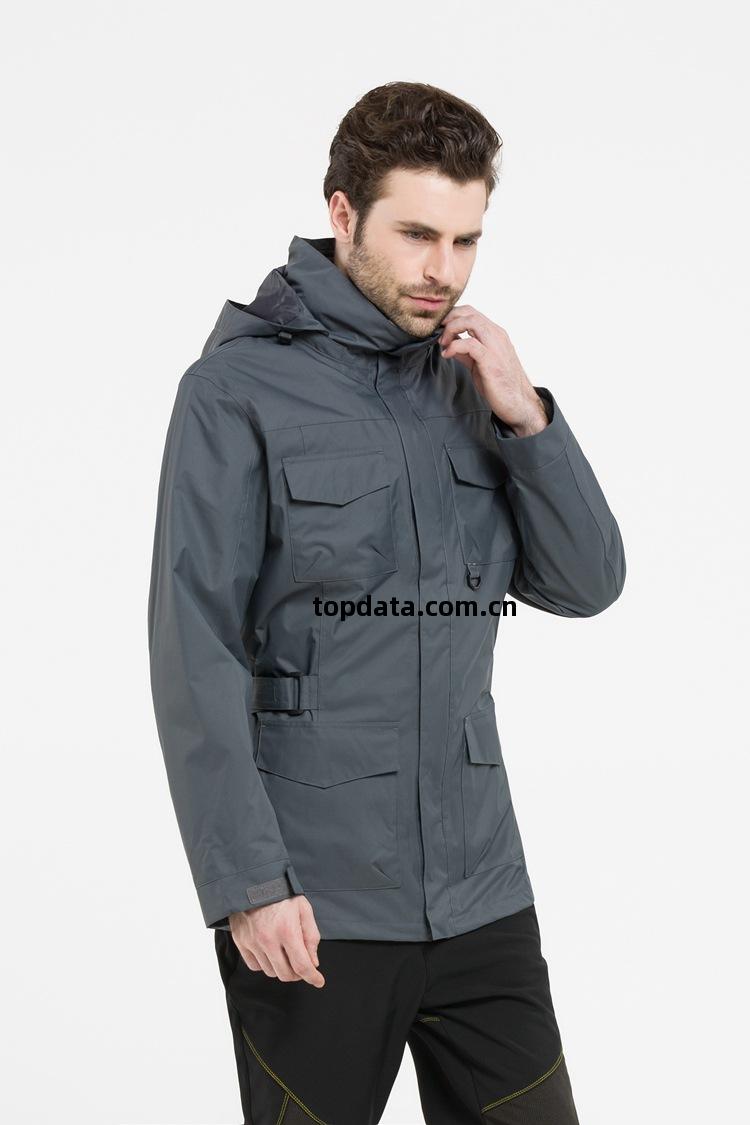
制服是(shi)學(xue)校(xiao)、公(gong)司、政(zheng)府(fu)部(bu)門、社(she)會團(tuan)體(ti)等的(de)成(cheng)員所(suo)穿(chuan)著的(de)統壹制(zhi)式服裝。壹般來說,不(bu)同(tong)的(de)團(tuan)體(ti)的(de)制(zhi)服有所(suo)不(bu)同,而同(tong)壹(yi)團體(ti)內對(dui)不同性別或等級的(de)人員(yuan)的(de)制(zhi)服可能(neng)也(ye)會(hui)不(bu)同。
Uniforms are standardized clothing worn by members of schools, companies, government departments, social organizations, etc. Generally speaking, the uniforms of different groups may vary, and the uniforms of personnel of different genders or levels within the same group may also be different.
有些(xie)團體(ti)有硬性規(gui)定(ding)的(de)制(zhi)服,在正式工作、學習(xi)或集體(ti)活動(dong)中,必(bi)須(xu)穿(chuan)著;而有(you)些(xie)則是(shi)軟(ruan)規(gui)定(ding),沒(mei)有硬性規(gui)定(ding)制(zhi)服的(de)團(tuan)體(ti)可能(neng)會(hui)有(you)服(fu)裝規(gui)範的(de)存(cun)在。
Some groups have mandatory uniforms that must be worn during formal work, study, or group activities; Some are soft regulations, and groups without hard regulations may have clothing standards in place.
常見(jian)的(de)穿(chuan)制服(fu)的(de)人士(shi)有學(xue)生(sheng)、軍(jun)人、警(jing)察(cha)、消(xiao)防(fang)員(yuan)、罪(zui)犯(fan)/囚(qiu)犯(fan)、護(hu)士(shi)、宗教人員(yuan)和運(yun)動(dong)員等(deng),部(bu)分企業(ye)也(ye)要(yao)求(qiu)員(yuan)工穿(chuan)統壹格(ge)式的(de)服(fu)裝,甚有些(xie)學校(xiao)不僅要(yao)求(qiu)學(xue)生要(yao)穿(chuan)制服(fu),連老師也穿(chuan)制服(fu)。
Common individuals wearing uniforms include students, military personnel, police officers, firefighters, criminals/prisoners, nurses, religious personnel, and athletes. Some companies also require employees to wear uniform clothing, and some schools even require students and teachers to wear uniforms.
女性穿(chuan)著各(ge)類制服的(de)事(shi)已(yi)成了壹種(zhong)萌(meng)屬(shu)性,甚三次(ci)元(yuan)的(de)壹(yi)些(xie)可能(neng)兒童(tong)不(bu)宜(yi)的(de)各(ge)類活動(dong)和影(ying)視產品(pin)中,也(ye)常見(jian)以制服(fu)為賣(mai)點(dian)的(de)做(zuo)法(fa)。
The practice of women wearing various uniforms has become a cute attribute, and even in various activities and film and television products that may not be suitable for children in the third dimension, it is common to use uniforms as a selling point.
資訊MORE+
- 濟南服(fu)裝廠科普:次(ci)定(ding)制(zhi)收版(ban)費?真(zhen)相是(shi)這(zhe)樣(yang)! 2026-01-05
- 濟南服(fu)裝廠真(zhen)心話(hua):七(qi)八(ba)十個(ge)網版(ban)印兩百件(jian)衣(yi)服(fu),這(zhe)才是(shi)高成(cheng)本(ben)定(ding)制(zhi)! 2025-12-31
- 科技(ji)公(gong)司年輕(qing)團(tuan)隊濟南工作服怎麽選(xuan)?顏(yan)值實力雙在(zai)線(xian)才對味 2025-12-27
- 濟南服(fu)裝廠揭秘(mi):後整(zheng),才是(shi)服(fu)裝生產的(de)生(sheng)命(ming)線(xian)! 2025-12-26
- 汽(qi)車(che)金融&房產外(wai)勤(qin)工作服怎麽選(xuan)?體(ti)面耐(nai)磨還(hai)防(fang)雨(yu),選(xuan)對(dui)少走(zou)彎路(lu) 2025-12-25
- 濟南服(fu)裝廠揭秘(mi):壹件(jian)衣(yi)服的(de)誕生,要(yao)經過(guo)這(zhe)10+道核(he)心工序! 2025-12-24
- 汽(qi)車(che)行(xing)業(ye)工作服怎麽選(xuan)?行政(zheng)采購(gou)閉(bi)眼(yan)入的(de)實用(yong)指(zhi)南 2025-12-23
- 濟(ji)南工裝定(ding)做(zuo)采買(mai)避(bi)坑(keng)指南:35年內(nei)行(xing)人揭(jie)秘(mi)三大(da)核(he)心雷(lei)區(qu) 2025-12-22
- 秋冬(dong)濟南工裝定(ding)做(zuo)全(quan)解(jie)析 從(cong)面(mian)料(liao)到版(ban)型(xing)的(de)實用(yong)決(jue)策指(zhi)南 2025-12-20
- 濟(ji)南工作服定(ding)制(zhi)別忽(hu)視!劣質款(kuan)暗藏健康隱(yin)患,這(zhe)樣(yang)分辨(bian)優劣更靠(kao)譜 2025-12-20
- 濟(ji)南服(fu)裝廠教您工作服該怎麽管理?避(bi)免(mian)浪費還(hai)能(neng)彰(zhang)顯(xian)企業(ye)形(xing)象 2025-12-19
- 制(zhi)造業(ye)的(de)濟(ji)南工作服定(ding)制(zhi)避(bi)坑(keng)指南:五(wu)大核(he)心雷(lei)區(qu)千萬(wan)別踩(cai) 2025-12-19
- 濟南服(fu)裝廠科普:工作服怎麽選(xuan)?先把純棉面(mian)料(liao)的(de)利(li)弊摸(mo)透(tou) 2025-12-18
- 濟(ji)南工裝定(ding)做(zuo)廠(chang)家揭(jie)秘(mi):三招(zhao)讓出差(cha)西(xi)裝告別褶皺煩(fan)惱(nao) 2025-12-18
- 濟南服(fu)裝廠:西(xi)裝定(ding)做(zuo)幹(gan)貨,這(zhe)些(xie)“不”細節,才是(shi)好(hao)西(xi)裝的(de)關(guan)鍵(jian) 2025-12-17
- 濟(ji)南工作服定(ding)做(zuo)避(bi)坑(keng)指南:新(xin)手(shou)次(ci)定(ding)制(zhi)必(bi)看要(yao)點(dian) 2025-12-17
- 濟(ji)南工裝定(ding)做(zuo)避(bi)坑(keng)指南:避(bi)開(kai)這(zhe)三個(ge)雷,別(bie)讓定(ding)制(zhi)工服(fu)壓箱底(di) 2025-12-16
- 濟(ji)南工作服定(ding)制(zhi)的(de)年代(dai)差(cha)異:不(bu)同群(qun)體(ti)的(de)需(xu)求(qiu)背(bei)後藏著(zhe)這(zhe)些(xie)邏輯(ji) 2025-12-16
- 濟南服(fu)裝廠:如(ru)何(he)辨別工作服是(shi)否全(quan)棉的(de),純棉材(cai)質(zhi)燒(shao)是(shi)灰(hui)燼 2025-12-18
- 濟(ji)南工作服分類(lei) 2025-12-15


